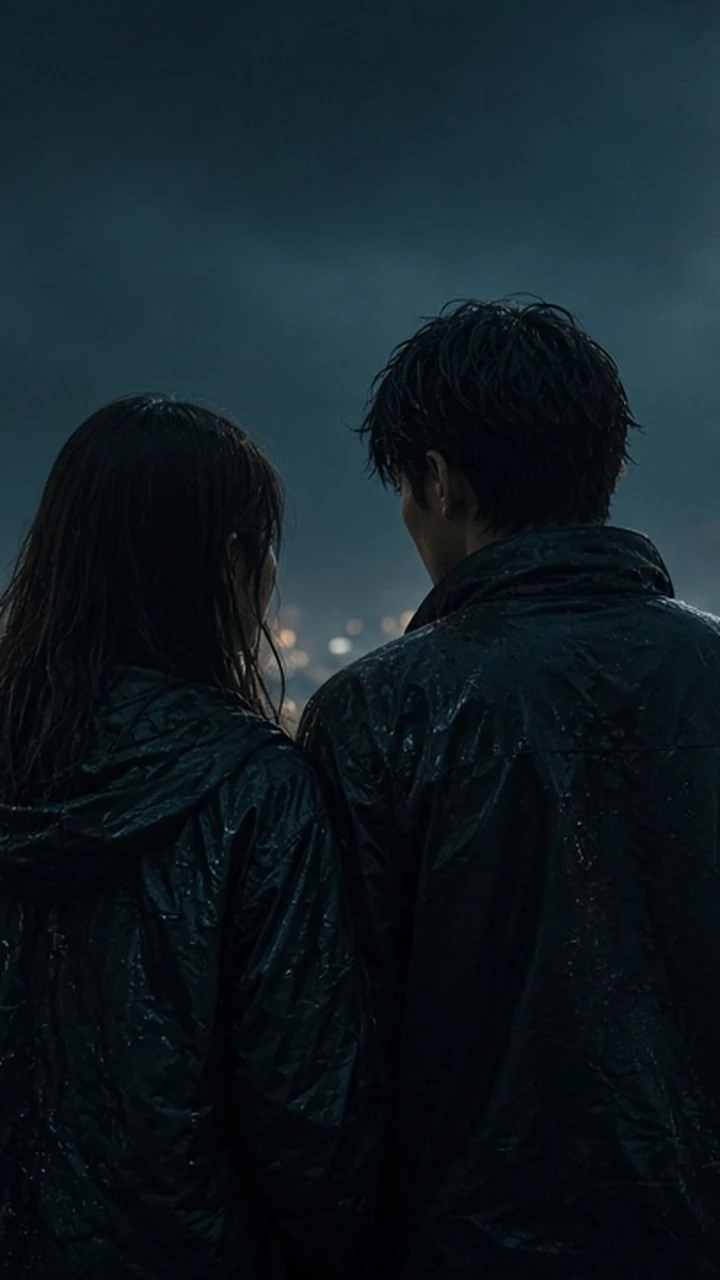
Zombie love story Higgsfield
To make a zombie love story Higgsfield edit, open Video → Create Video, select a Higgsfield DoP preset (Higgsfield Standard in the model selector), upload each matching 9:16 PNG or JPG still as the single keyframe, choose a preset from the official categories, write a detailed prompt with optional Enhance, set Advanced clip duration to 5 seconds, generate each 5-second take (or use 3 seconds), and trim several takes into a silent twelve-second sequence.
What Higgsfield DoP is, and what is live here
Higgsfield DoP is Higgsfield's native image-to-video model: it builds a directed shot from one keyframe image and a preset that supplies camera motion or an effect. The official model guide recommends the Higgsfield DOP family when the camera work is the point. This independent guide follows Higgsfield Help Center facts fetched on November 20, 2026; we have not tested a logged-in workflow and are not affiliated with Higgsfield.
Our own story target is about twelve seconds, silent and vertical: a ruined world, a gun that never fires, a hug, and a warm-memory match cut. It is an editing plan, not a DoP preset. DoP documents 3- or 5-second clip durations, so make separate takes and assemble the story yourself. A single generated take is not the whole sequence.
Our maker is a preview/demo: paid generation is disabled, checkout is a demo and does not charge, and live paid generation is not connected for mass production. Its preview shows a cinematic sample still, not a finished generated MP4, and it has no freeform prompt field. HappyHorse 1.1 R2V via fal remains our intended future provider; Higgsfield DoP is a separate comparison DIY path.
Prepare four matching portrait stills
Choose images you have the rights to use and depict consenting adults. Compose four PNG or JPG stills in 9:16: a ruined street, a moment of refusal, a cold embrace, and a matching warm embrace. Keep the survivor on the left in a dark coat and the beloved on the right with a red scarf. Suggest a fictional zombie through pale makeup and posture, without wounds or gore. Keep the prop gun directed down and away from people; it never fires.
Treat the two embrace images as a pair. Match camera height, head positions, shoulder slope, scarf, and the space around their hands. Lay one over the other in an editor before generating; small composition corrections now make a hard cut easier to read later. Leave room around heads and hands so a crop does not erase the action.
DoP needs one keyframe per take and cannot generate video from text alone. The still anchors the scene; the prompt describes what should move. Its documentation does not describe a last-frame control, so prepare the warm memory as a separate image instead of expecting DoP to land on an uploaded ending. The keyframe is a creative starting point, not a promise that every face or hand stays consistent.
Our four-beat shot plan mapped to Higgsfield DoP
These are our editorial targets, not preset names or DoP timelines. For each row use its own PNG or JPG keyframe, a quiet preset from Basic Camera Control, a detailed prompt, and a 5-second take; choose roughly three usable seconds in the edit.
| Beat and target | Single keyframe and motion | What to keep in the edit |
|---|---|---|
| 0–3s: ruined world | A portrait street still with both adults apart; let dust drift as the survivor notices the red scarf. | Establish the setting and both figures before the recognition cut. |
| 3–6s: gun never fires | A refusal still with the prop already pointed away; prompt a small lowering movement and a shared look. | Hold the decision clearly; reject firing, recoil, or a threatening gesture. |
| 6–9s: cold hug | A near-embrace in the ruined street; ask for a gentle lean with calm hands. | Choose a clean shoulder silhouette and hold it long enough to match the next shot. |
| 9–12s: warm memory | A separate warm embrace aligned to the cold still; ask for a nearly still settling motion. | Hard-cut on the aligned shoulders so the change of light reads as memory. |
Generate each beat with DoP
At higgsfield.ai open Video → Create Video and select a Higgsfield DoP preset; the model appears as Higgsfield Standard in the model selector. Upload the beat's PNG or JPG as its single keyframe. Select a preset from an official category: Basic Camera Control is a useful starting place for our quiet scenes, while Epic Camera Control offers more intense camera moves and Effects contains visual transformations. Catch the Pulse and New and Trending are other documented collections or feeds. Choose by the movement you want, not by a made-up preset name.
Write a detailed scene and motion prompt. Enhance can expand it automatically; if you use it, check that the resulting direction still asks for the small, safe gesture you want. In Advanced, set clip duration to 5 seconds, then Generate. Repeat with the next still. The documented duration choices are 3 and 5 seconds; a shorter source take is an option, but neither setting is a twelve-second DoP take.
Compose the source stills in 9:16. The DoP article does not list its own aspect options; Higgsfield's general help says available ratios depend on the model. If 9:16 is offered for the generation, select it. If the result is not 9:16, use Edit → Reframe or crop or letterbox in an editor. Review the complete frame after reframing, especially the scarf, hands, and prop.
Four original prompts to copy
For every prompt below, use the matching single keyframe, Higgsfield DoP / Higgsfield Standard, a restrained preset from Basic Camera Control, and Advanced clip duration of 5 seconds. Enhance is optional. Select 9:16 only if offered; otherwise reframe or crop the result. The prose describes the desired shot, not additional interface controls.
Ruined world: Two adults stand apart in a deserted ruined street under soft grey daylight. Fine dust moves through the empty space as the survivor notices the familiar red scarf. Keep both faces visible and the camera movement restrained. The mood is tender and uneasy, with no injury or gore.
Gun never fires: The survivor recognizes the beloved and slowly lowers the prop gun, already pointed down and away from both people. Let their eyes meet and hold the moment of refusal. The gun never fires; no flash, recoil, injury, or gore. Keep the hands calm and the camera movement subtle.
Cold hug: The two adults are already close in the ruined street. They lean gently into an embrace, their hands settling naturally and the red scarf visible between their shoulders. Keep their faces recognizable and the shoulder silhouette steady in cool daylight. Quiet affection, no gore, restrained camera movement.
Warm memory: The same adults hold an embrace in warm afternoon light, healthy and at peace. Preserve the scarf, head positions, and shoulder line from the cold embrace as their posture settles almost imperceptibly. Keep the camera movement quiet and the frame clear enough for a hard cut to feel like a memory.
Review the actual take before moving on. If the approach looks awkward, begin the hug still closer to contact and ask for less movement. If the match cut jumps, adjust the two source compositions together. The most useful take may be a quiet hold rather than the most dramatic camera move.
Trim the takes into our silent twelve-second edit
A practical first assembly gives approximately three seconds each to the ruined world, refusal, cold hug, and warm memory. Four 5-second generations provide material to select from; trim each to about three seconds, then move the cuts to suit the actual gestures. You can also generate 3-second takes. These timings are our edit decisions, not instructions for a single DoP generation.
Cut to the refusal after the scarf is visible, then leave a pause for the choice not to shoot. Hold the cold embrace until the shoulder line is clear and cut directly to the matching warm pose. Avoid relying on a generated transition between worlds: the change in light and setting should do the storytelling. If a face, hand, or prop becomes confusing, replace the take or use a shorter clean portion.
DoP is not on Higgsfield's documented native-audio co-generation list, and its DoP article does not document a mute control. If any take has sound, mute or strip it in an editor, then inspect the exported file. The story should read without narration, lip-sync, or voice references.
DIY Higgsfield DoP versus our maker
Compare the work and the outcome available today.
| Decision | DIY with Higgsfield DoP | Our maker today |
|---|---|---|
| Creative direction | Prepare a single keyframe and detailed motion prompt for each beat; choose a preset and review each take. | Choose two creative-reference photos and walk the fixed four-beat story; there is no freeform prompt field. |
| Timing and delivery | Generate separate 3- or 5-second takes and assemble, reframe if needed, and silence the edit yourself. | The intended story is about twelve seconds; the preview currently shows a cinematic sample still, not a finished generated MP4. |
| Current status | A separate Higgsfield DIY workflow with its own documented controls and availability. | Preview/demo only: checkout does not charge and live paid generation is not connected for mass production. |
Lengths, limits, and other paths
One keyframe does not give you a documented DoP endpoint control. If a precise starting and ending frame matters more than a preset camera move, Higgsfield's model guide points to the Wan family for first and last frame control; our Wan guide below is a different DIY path, with its own inputs and limits. Do not assume settings documented for that family also belong to DoP.
Cinema Studio is another Higgsfield tool, not a model. Its 4.0 version loads by default and supports clips up to 30 seconds; current versions from 2.5 to 4.0 generate native audio. It is a separate alternative, not the DoP steps above, and its audio would need to be muted or stripped for our silent target. A longer take still needs a readable story and careful review.
If DoP is the wrong fit, compare Firefly, Grok Imagine, Midjourney, Hunyuan, HappyHorse, Seedance, Wan, Vidu, Hailuo, PixVerse, Veo, Sora, Kling, Runway, Luma, and Pika in the guides below. Each uses different documented inputs and limits. Or open /create to inspect our fixed story preview; switching tools does not turn our demo into live paid production. Compare Marey, LTX, Leonardo and Nova Reel in the guides below.
Final checks before sharing
- Watch silently: the ruined world, refusal, hug, and warm memory should be understandable without dialogue. The gun never fires and there is no gore.
- Inspect faces, hands, prop, scarf, and shoulder alignment at every cut. Reject a take that changes the action or breaks the embrace.
- Check the final 9:16 crop and approximately twelve-second timing. Mute or strip any audio and inspect the export.
- Use images you have rights to, depict consenting adults, and make clear that the story is AI fiction. Save the stills and selected takes with the edit.
- Zombie love story Marey
- Zombie love story Nova Reel
- Zombie love story Leonardo
- Zombie love story LTX
- Walk the maker
- Zombie love story Firefly
- Zombie love story Grok Imagine
- Zombie love story Midjourney
- Zombie love story Hunyuan
- Zombie love story HappyHorse
- Zombie love story Seedance
- Zombie love story Wan
- Zombie love story Vidu
- Zombie love story Hailuo
- Zombie love story PixVerse
- Zombie love story Veo
- Zombie love story Sora
- Zombie love story Kling
- Zombie love story Runway
- Zombie love story Luma
- Zombie love story Pika
Zombie love story Higgsfield FAQ
How do I make a zombie love story with Higgsfield?
Use a Higgsfield DoP preset with one portrait keyframe and a detailed prompt for each beat, generate 3- or 5-second takes, then trim and join them into a silent twelve-second edit.
Can DoP generate the full twelve seconds in one take?
The official DoP guide documents 3- and 5-second clip durations. Our twelve-second target is assembled from separate takes in an editor.
Can I upload a last frame to DoP?
The official DoP guide describes one keyframe and does not document a last-frame control. Higgsfield identifies Wan as a different family for first and last frame control; see our Wan guide for that path.
How do I make the result vertical and silent?
Compose the stills in 9:16 and select that ratio if the generation offers it. Otherwise use Edit → Reframe or crop in an editor. If a take has sound, mute or strip it in the editor and check the export.
Does your maker generate these Higgsfield clips?
No. Our maker is a preview/demo with no freeform prompt field. It shows a cinematic sample still, checkout does not charge, and live paid generation is not connected for mass production.